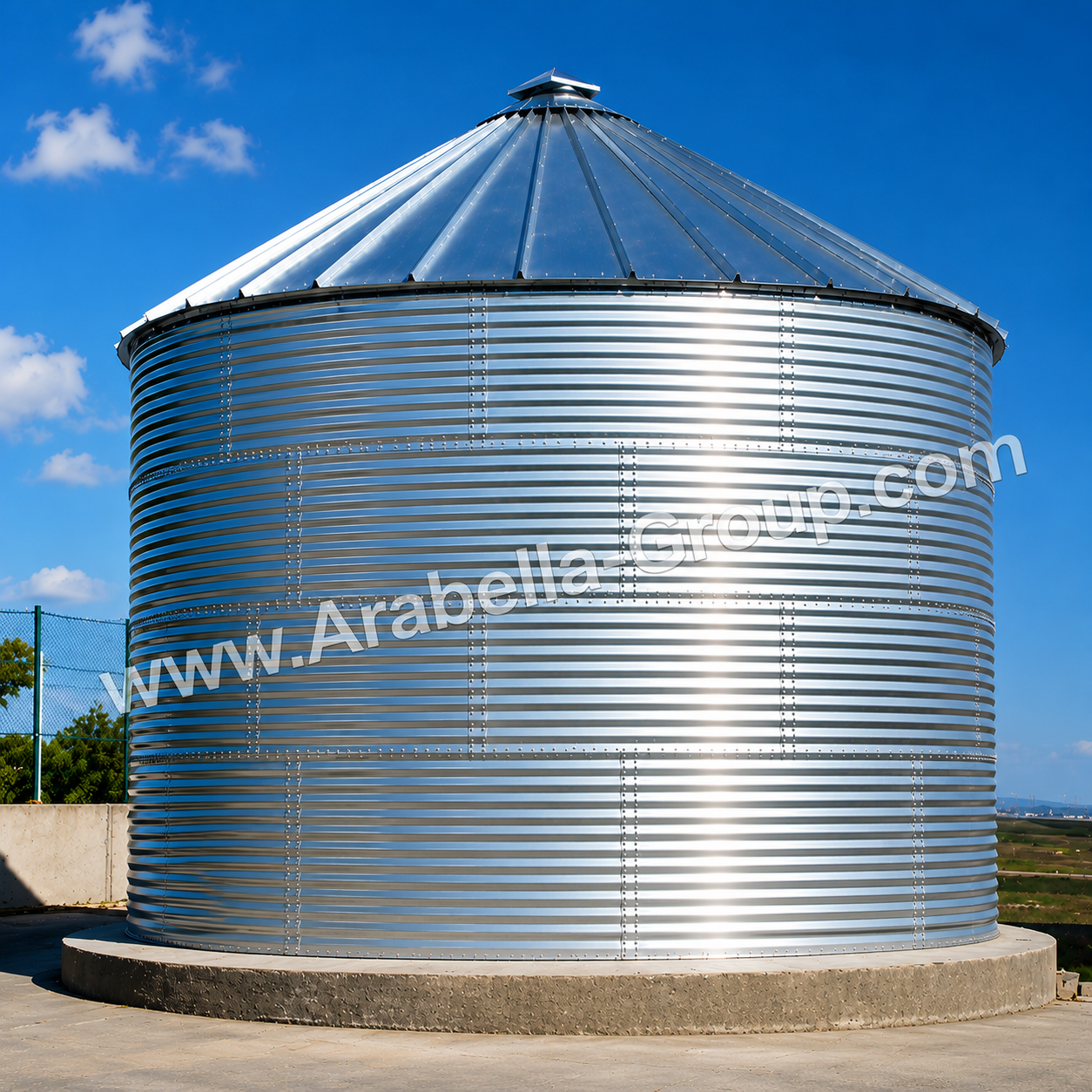
Corrugated Galvanized Steel Water Tanks provide a durable and efficient water storage solution with capacities ranging from 10 to 2,500 m³, and can be custom-manufactured to meet specific project requirements. Constructed from corrugated galvanized steel panels with a corrugation depth of 15–18 mm and panel thicknesses of up to 1.5 mm, they offer outstanding structural strength and superior corrosion resistance. A UV- and pressure-resistant liner ensures long-term durability and protects water quality. The elevated design enables gravity-fed operation, reducing energy consumption, while multiple cover options help minimize evaporation and safeguard stored water. Easy to install and maintain, each tank is supplied complete with all essential fittings and accessories, making it an ideal solution for drinking water, irrigation, industrial, commercial, and domestic applications.
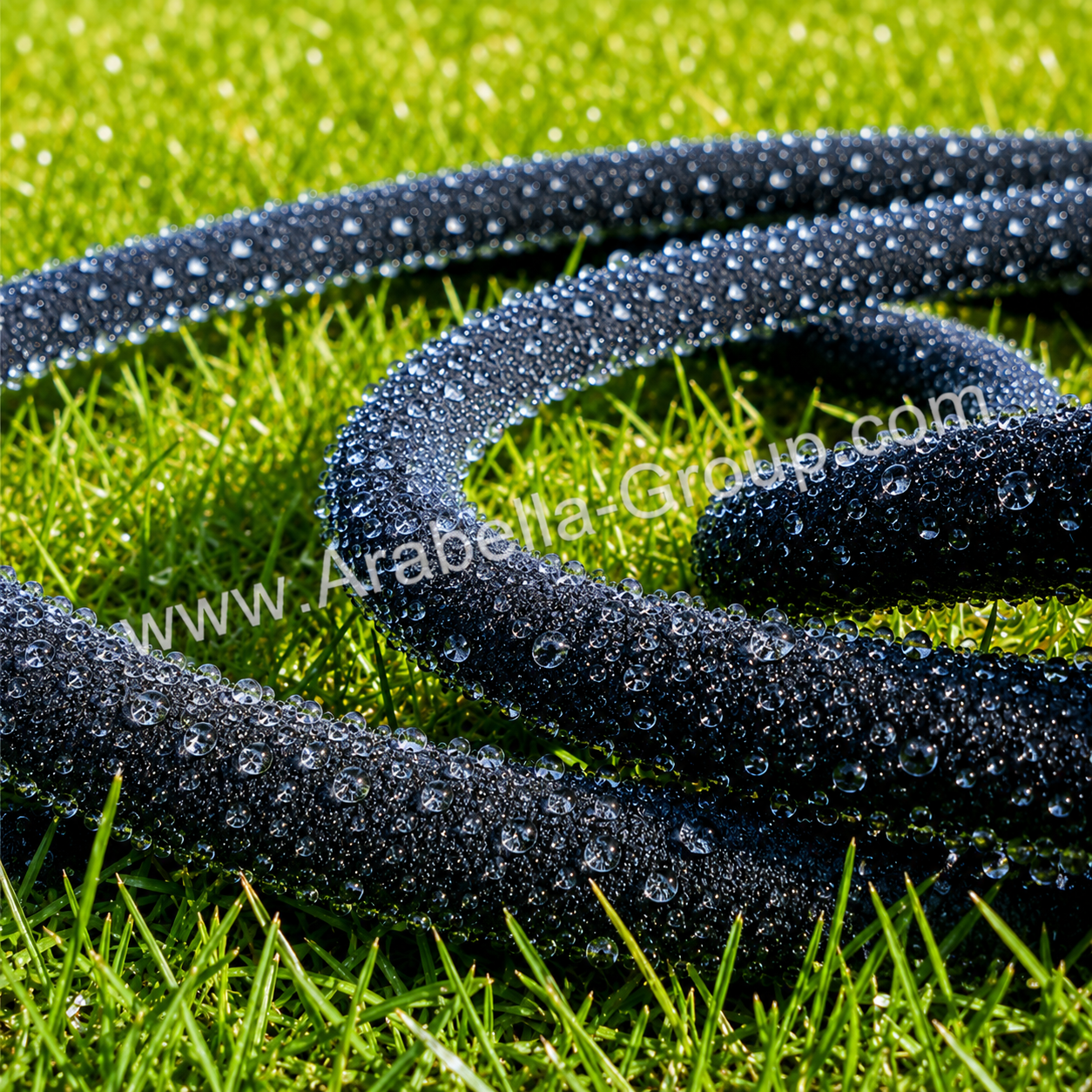
The Soaker Irrigation Hose is an advanced irrigation solution featuring a porous structure that delivers uniform and continuous water distribution directly to the root zone without the need for conventional drip emitters. It reduces water consumption by up to 68%, improves irrigation efficiency, minimizes evaporation losses, promotes healthy plant growth, suppresses weed growth, and requires minimal maintenance.
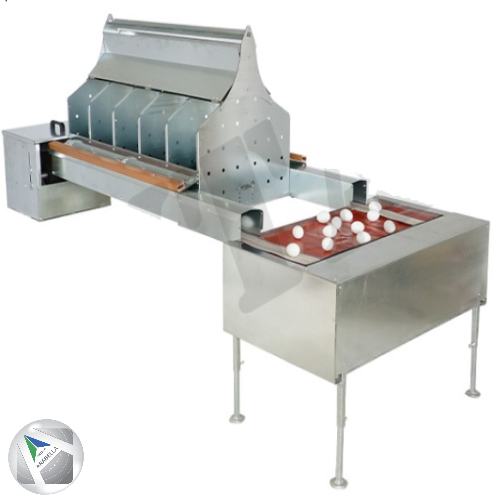
The poultry automation systems give you complete control of all the processes in your poultry houses. A complete, customized system for trouble-free operation. We put your animals at the center of the equation and create the optimal environment for growth. Your immediate benefits are: 1- Better performances and higher returns. 2- Reduced burden on the environment, 3- Best conditions for your animals. The poultry has a lot of different systems that can help you have a complete grip in your automated poultry house. Our Poultry System is a full-featured Software with a user-friendly user interface, which allows you to manage your Poultry Graphically efficiently. for intensive poultry farming is using battery cages.
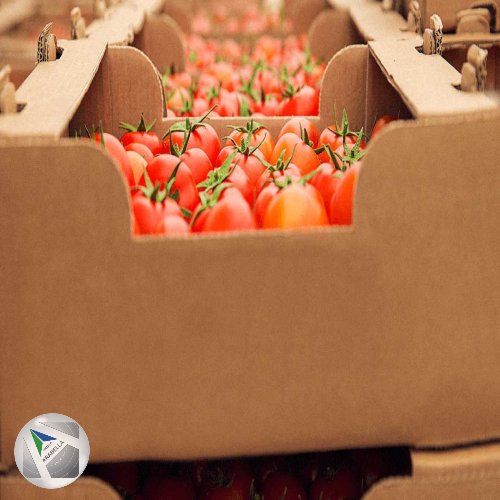
Packaging is the science, art and technology of enclosing or protecting products for distribution, storage, sale, and use. Packaging also refers to the process of designing, evaluating, and producing packages. Packaging can be described as a coordinated system of preparing goods for transport, warehousing, logistics, sale, and end use. The ventilated wall crates are perfect for storing agricultural produce in refrigeration rooms and excellent for ripening processes. Net bags are a beneficial solution for the air needed goods such as onion and garlic. solid cardboard packaging has proven itself a sustainable alternative to plastic, it is made up of fibers that are pressed together very tightly.
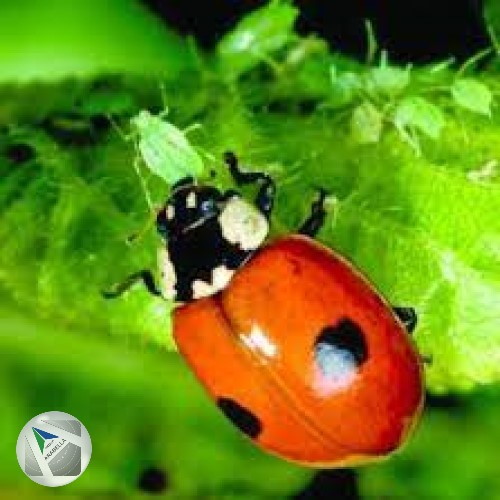
Integrated Pest Management (IPM) is an effective and environmentally sensitive approach to pest management that relies on a combination of common-sense practices. IPM programs use current, comprehensive information on the life cycles of pests and their interaction with the environment. This information, in combination with available pest control methods, is used to manage pest damage by the most economical means, and with the least possible hazard to people, property, and the environment. The IPM approach can be applied to both agricultural and non-agricultural settings, such as the home, garden, and workplace. IPM takes advantage of all appropriate pest management options. NOT AVAILABLE NOW
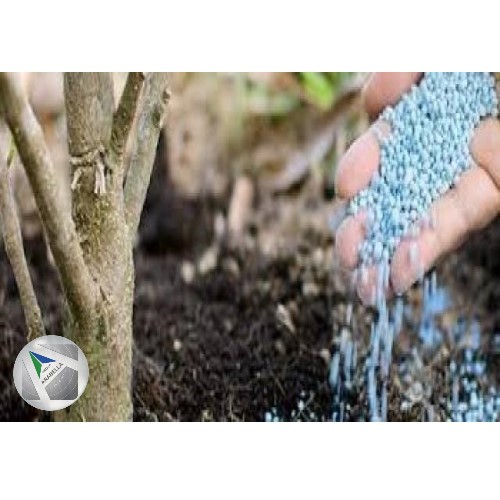
A fertilizer is any material of natural or synthetic origin that is applied to soil or to plant tissues to supply plant nutrients to enhance the natural fertility of the soil or replace chemical elements taken from the soil by previous crops. Soil fertility is the quality of a soil that enables it to provide compounds in adequate amounts and proper balance to promote growth of plants. Pesticides are substances that are meant to control pests. In general, a pesticide is a chemical or biological agent that deters, incapacitates, kills, or otherwise discourages pests. Target pests can include insects, plant pathogens, weeds and nematodes, and microbes that destroy property, cause nuisance, or spread disease. NOT AVAILABLE NOW
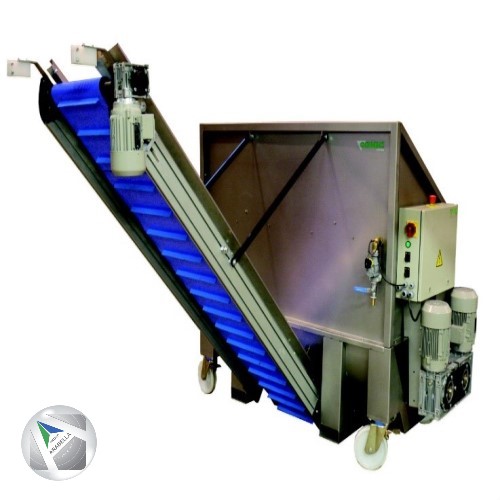
The basic technology of agricultural machines has changed little in the last century. Though modern harvesters and planters may do a better job or be slightly tweaked from their predecessors. The field of agriculture and nursery machinery. Agricultural machinery relates to the mechanical structures and devices used in farming or other agriculture. Diverse arrays of equipment are used in both organic and nonorganic farming. Especially since the advent of mechanized agriculture, agricultural machinery is an indispensable part of how the world is fed. We are proud when we can see the result of our work in the hundreds of machines that work all over the world . For this reason, we try to continue in our effort
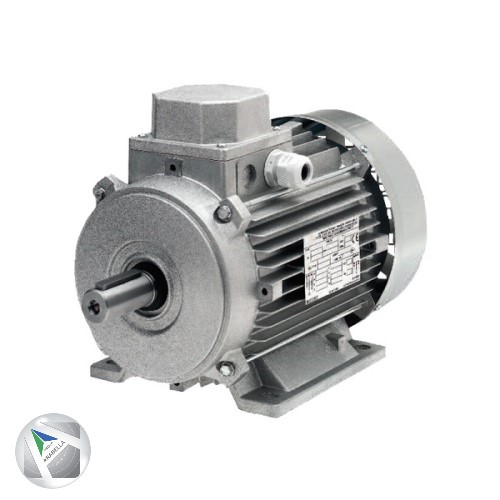
An electric motor is an electrical machine that converts electrical energy into mechanical energy. Most electric motors operate through the interaction between the motor's magnetic field and electric current in a wire winding to generate force in the form of torque applied on the motor's shaft . An electric generator is mechanically identical to an electric motor, but operates with a reversed flow of power, converting mechanical energy into electrical energy. Electric motors can be powered by direct current (DC) sources, or by alternating current (AC) sources, such as a power grid, inverters or electrical generators. Electric motors may be classified by power source type, construction, application and type of motion output.
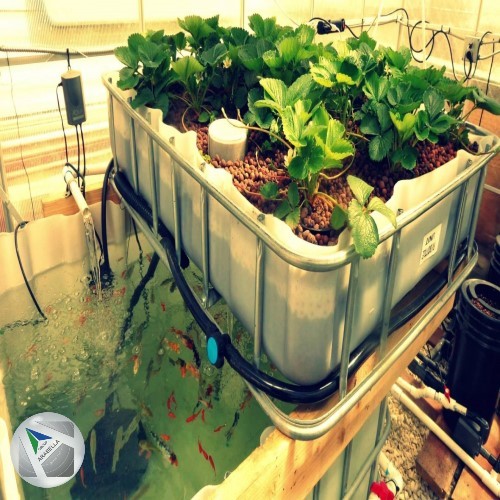
Aquaponics is a method of food production that integrates aquaculture with hydroponics. This symbiotic relationship facilitates a sustainable system with little input necessary. Good bacteria builds up, which then converts the toxins produced from fish waste into nutrients used by plants. By absorbing these nutrients, the plants filter the water, giving the fish a livable environment. This cycle helps keep the tank in good shape for both fish and plants. Producing food with this method is about as organic as you can get. With this set up, there is no need for fertilizer because the fish waste is all that is necessary for the plants to grow. Herbicides also are not needed because there is no soil used to grow the plants.